

Behind the care:Dr Clare Jacobson
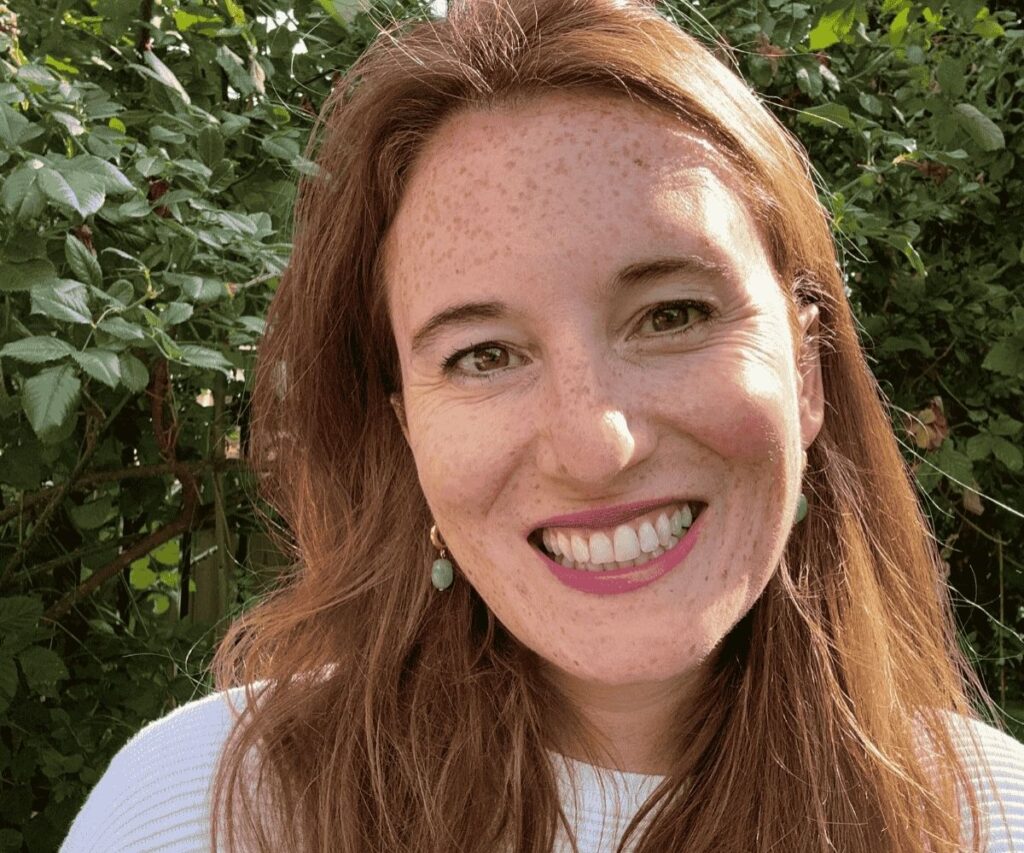
We interviewed Clare, a Specialist Clinical Psychologist who leads the Teenage and Young Adult (TYA) Cancer Psychology service, to learn about how they support young people and their families.
What is your role?
I’m very proud to lead a team of three highly skilled, dedicated, and talented practitioner psychologists within a multidisciplinary team. We work with people who receive a diagnosis of cancer or a brain tumour between the ages of 16-24 years.
All patients and their loved ones have access to specialist psychological therapy at multiple points along their pathway, from diagnosis until two years post-treatment, or their 25th birthday, whichever is later.
Tell us about a typical day
My priority is therapeutic work with patients and their loved ones which includes individual, couple, family and group therapy. Forging a respectful, trusting, safe therapeutic relationship is the most important aspect of this work.
The function of therapy is likely to evolve with time as things change. We support patients with goals such as, tolerating cancer treatments with techniques to manage side-effects or other barriers to treatment such as needle phobia or claustrophobia in an MRI scan. We often work with patients and their loved ones to help them process the effects of trauma, disconnection, and learning to live with distress such as fear of recurrence and anxiety. We help families navigate and heal from the ripple effects that cancer brings. We also support patients, their loved ones and staff through death and dying.
Through Guy’s Cancer Charity, the TYA fund has paid for us to train in specialist therapies for trauma and for members of our wider team... to offer invaluable input to our patients and their loved ones.
Outside of direct clinical work, I manage a team and service, provide clinical supervision, and deliver training and teaching. I co-founded two specialist psycho-oncology networks and oversee workstreams such as contributing to national cancer strategy, collaborating on clinical innovations and service development across the UK, and I lead several large research projects that I hope will ultimately improve patient experience. I have published research in academic journals, chapters in professional manuals for clinicians working in TYA and articles for patient communities through various cancer charities.
What is the best thing about your job?
One of the best aspects of my job is the privilege of someone trusting me with their vulnerability and inviting me inside their inner world. I have the enormous honour of entering into deep connection with someone during moments of revelation and feeling that energy shift with them, being someone’s witness and getting to build a pathway out of a forest together when someone felt so lost. It’s a privilege of the work that I still find humbling 20 years in. I never take it for granted.
The second best part of my job is getting to work with our extraordinary team, including our lead nurse who has been the bedrock of the service since before I began in 2012. I often feel as though I’m walking amongst giants who hold humanity at their core.
Donate today to help more teenagers, young adults, and their loved ones receive compassionate support when they need it most.